


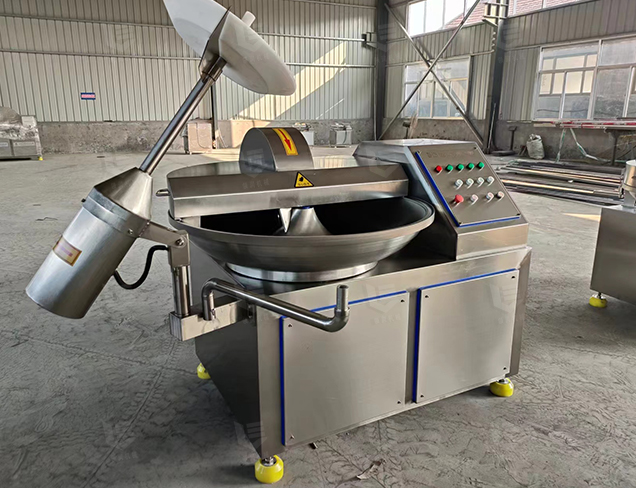
In the food processing industry, especially in the fields of meat products, surimi, and condiments, chopping and mixing machine are very common equipment. It cuts, stirs and emulsifies the materials through a high-speed rotating chopper, directly determining the taste and quality of the product. However, high-intensity workloads also mean significant wear and tear. The value of a chopping and mixing machine is considerable. How to make it more durable is not only the key to reducing production costs, but also the core to ensuring stable production and food safety.
To make the chopping and mixing machine more durable, we need to follow a core concept: “Seven parts depend on maintenance and three parts on operation.” Below, we will reveal the industry secrets to extending the service life of the chopper from three major dimensions: operation, cleaning and maintenance.

Standardized operation
1. Orderly feeding: First, add soft and small-sized materials, then hard and large-sized materials. Directly feeding large pieces of frozen meat or hard bones will cause an instant and huge impact on the high-speed rotating chopping knife, which can easily lead to the blade cracking, curling, and even damage to the knife shaft and bearings. At the same time, the motor will also overheat due to a sudden increase in load.
2. Strictly control the load and time: Follow the maximum capacity marked on the equipment nameplate and strictly prohibit overloading operation. At the same time, set a reasonable chopping time based on the product process to avoid prolonged idling or excessive chopping. Overloading will directly lead to motor overload, increased stress in the transmission system, and accelerate the wear of all moving parts. Excessive chopping will cause the material temperature to rise abnormally, which not only affects the product quality, but also the high-temperature environment will accelerate the aging of the sealing ring and the failure of the lubricating grease.
3. Correct judgment of equipment status: Skilled operators should be able to determine the status of equipment through sound and vibration. Once abnormal noises (such as metal friction sounds, dull knocking sounds) or severe vibrations occur, the machine must be stopped immediately for inspection. Abnormal sounds are often direct signals that the cutter is loose, the bearing is damaged or there are foreign objects inside. Ignoring these warnings, small problems can quickly evolve into serious structural damage.
Ultimate cleanliness
1. Timely cleaning: After each shift of production, thorough cleaning must be carried out immediately. Do not allow material residues to remain overnight on the pot body, cutter shaft or other parts. Salt, acid and other substances can corrode the surface of stainless steel and the tool shaft. The residual minced meat, after rotting, breeds bacteria, which not only poses hygiene risks but also accelerates the corrosion of metals due to its metabolic products.
2. Select the correct cleaning tools and methods: Use soft nylon brushes and sponges. It is strictly forbidden to use hard scraping tools such as steel wool balls. When disassembling the chopper, special tools should be used. Handle it gently to avoid the blades colliding with each other or with hard objects. After cleaning, be sure to use a dry cloth to thoroughly dry all components, especially the inside of the cutter and the shaft sleeve, to prevent rust.
3. Pay attention to the sealing system: When cleaning, pay special attention to the sealing ring (mechanical seal) at the end of the knife shaft. Make sure there are no residues around it and check whether the sealing ring is intact and elastic. This is the key to preventing water and materials from seeping into the bearing cavity.
High Speed Variable Frequency Chopping and Mixing Machine
Scientific Maintenance
1. Maintenance and grinding of the chopping knife: Before starting the machine every day, check if there are any notches or curled edges on the blade. When the chopping knife becomes blunt, it must be sharpened by professionals using a special knife sharpener. It is strictly prohibited to randomly grind and disrupt its original dynamic balance. Even the slightest weight imbalance of the chopper at high speed will be magnified into a huge centrifugal force, and severe vibration will seriously damage the bearings and the main shaft. Therefore, after each grinding or when a new knife is replaced, a dynamic balance check must be carried out.
2. Lubrication system: Strictly follow the cycles, oil types and dosages specified in the equipment manual to add oil to lubrication points such as the main shaft bearings and the lifting bearings of the pot body. Food-grade grease must be used to prevent the oil from contaminating the product. For choppers with a circulating lubrication system, the lubricating oil should be replaced regularly and the metal debris produced by wear in the system should be removed.
3. Tightening and calibration: Under long-term vibration, the screws and nuts of the equipment may become loose. All connecting parts should be inspected and tightened regularly, especially the key parts such as the lock nut of the chopper and the fixing bolts of the pot body. Regularly check the gap between the chopping knife and the bottom of the pot. If the gap is too large, it will affect the chopping effect; if it is too small, friction and collision may occur. This requires professional technicians to perform precise calibration using a feeler gauge.
4. Establish maintenance records: Create an independent “health record” for each chopping and mixing machine , detailing the time and content of each cleaning, inspection, lubrication, repair, and replacement of parts. This helps track the status of the equipment, predict potential faults, and achieve precise maintenance.